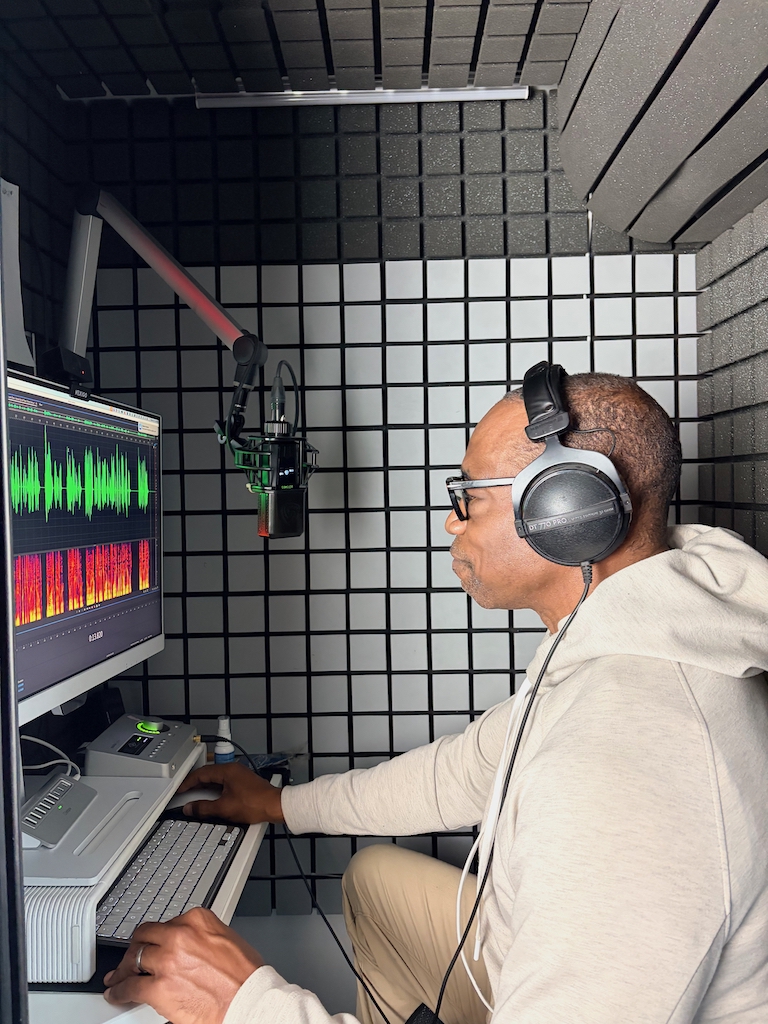
Narration voice over is a versatile and widely-used genre in the voice acting industry, that involves a voice artist delivering spoken content to inform, explain, guide, or tell a story without appearing on camera.
Unlike character voice work or dialogue-based performances, narration focuses on clear communication and connecting with the audience through the spoken word alone.
Check out my NARRATION DEMO below:
What Defines Narration Voice Over
At its core, narration voice over is the art of storytelling and information delivery through voice.
The narrator serves as an unseen guide who leads the audience through content, whether it’s a documentary, audiobook, educational video, or corporate presentation. The voice becomes the primary vehicle for conveying meaning, emotion, and context.
If you are interested to book me for an upcoming Narration project, you can contact me via email or phone below. Alternatively, you can fill out the Contact Form by clicking the button below.
EMAIL – Bill@WMCline.com
PHONE – 401-523-2876
Great Narration leads without crowding the story.
I bring a calm, credible tone that keeps people listening—ideal for brand films, explainers, corporate videos, internal training, museums, and educational content.
The aim is clarity with personality: a voice that helps complex ideas click while staying in sync with your visuals and music.
I tailor cadence to the cut—breathing with the edit, lifting important moments, and staying out of the way when the picture needs space. Whether you need a warm guide, a confident expert, or a friendly teacher, I’ll match the vibe and keep your audience engaged.
What you can expect:
If your story needs a steady hand to carry the message from first beat to final frame, I’m ready.
Below are some of my Narration Video Clips you can listen to (or watch on my YouTube channel) now:
Common Applications
Narration voice over appears across numerous mediums and industries. Documentaries rely on narrators to provide context and weave together visual elements into a cohesive story. Audiobooks require narrators who can sustain listener engagement for hours while bringing characters and scenes to life through vocal interpretation alone. E-learning modules use narration to explain complex concepts and guide students through educational material. Corporate videos employ narrators to communicate company messages, training content, and promotional material. Explainer videos depend on clear, engaging narration to simplify complicated ideas for audiences.
The Role in Modern Media
Narration voice over has evolved significantly with digital media’s growth. Podcasts, YouTube videos, online courses, and streaming documentaries have exponentially increased demand for skilled narrators. The genre continues adapting to new formats while maintaining its fundamental purpose: giving voice to stories, information, and ideas that shape how we understand the world.
Key Characteristics
Successful narration voice over requires several essential qualities. Clarity stands paramount—every word must be easily understood without distraction. The pacing needs careful control to match the content’s rhythm and allow listeners to absorb information. Tone must align with the subject matter, whether authoritative for documentaries, warm for audiobooks, or professional for corporate content. Authenticity helps establish trust and connection with the audience, while versatility allows narrators to adapt their delivery across different projects and styles.
Skills Required
Professional narration demands more than a pleasant voice.
Narrators must master breath control and vocal stamina for lengthy recording sessions.
They need interpretive skills to understand subtext and deliver content with appropriate emotional nuance. Technical proficiency includes understanding microphone technique, audio quality, and often self-directed recording. Reading skills extend beyond basic literacy to sight-reading complex material fluently and making instant interpretive choices. Character differentiation becomes crucial in audiobooks where multiple voices must remain distinct.
Narration Styles
The genre encompasses various distinct styles. Conversational narration feels intimate and relatable, as if speaking directly to a friend. Authoritative narration conveys expertise and commands attention, common in documentaries and news content. Storytelling narration brings dramatic elements and emotional depth to fiction and narrative non-fiction. Educational narration maintains clarity while making learning engaging and accessible. Commercial narration balances persuasion with approachability to promote products or services.
You can find more information on my voice over specialties, recent jobs and common questions I get asked, by looking at the links below.